How to Identify Burnout Early Using Time Tracking Data?

Karoshi or death from overwork, is a deeply rooted social and public health issue in Japan, officially recognizing deaths, including suicides (karojisatsu), caused by extreme occupational stress and long hours. In fiscal 2024, Japan recorded 1,304 recognized cases of overwork-related deaths and health disorders, up 196 from the previous year, with over 1,000 involving mental health issues. [Source: Japan Ministry of Health, Labour and Welfare]
Burnout has become one of the biggest threats to productivity, morale, and employee retention in the modern workplace. According to Gallup's 2024 research, 48% of employees worldwide report feeling burned out at work, and 52% of burned-out employees are actively job hunting. Long hours, blurred boundaries between work and personal life, and constant digital communication make chronic stress easy to miss, until it becomes overwhelming.
The good news? Time tracking data can act as an early-warning system. When used responsibly, it helps individuals and managers spot unhealthy work patterns, intervene early, and create sustainable workloads. This guide explains what burnout is, the early symptoms to watch for, and how time tracking insights can help prevent it before it escalates.
What Is Burnout?
Burnout is a state of chronic physical, mental, and emotional exhaustion caused by prolonged, unmanaged stress, typically related to work or intense caregiving responsibilities.
The World Health Organization (WHO) recognizes burnout as an occupational phenomenon, defining it as a syndrome conceptualized as resulting from chronic workplace stress that has not been successfully managed. It is characterized by three core dimensions:
- Energy Depletion: Persistent fatigue and feelings of exhaustion that don't improve with rest
- Mental Distance: Increased mental distance from one's job, or feelings of negativism or cynicism related to work
- Reduced Efficacy: Declining professional performance and feelings of inefficacy
Unlike short-term stress, burnout builds slowly. Many people continue working through it, assuming they just need to "push harder," which only deepens the problem. Burnout at work is caused by chronic, unmanaged stress stemming from excessive workloads, lack of control over tasks, and poor work-life balance.

What Causes Burnout at Work?
Burnout doesn't appear overnight; it's the cumulative effect of hidden pressures in how we work. Time tracking data can help pinpoint the exact stressors rather than relying on guesswork. Here's how overload typically manifests:
Excessive Hours vs. Recovery Gaps
Even a moderate workload can become unsustainable if recovery time is insufficient. Time logs often reveal clusters of late nights, skipped breaks, or weekend work. Without these recovery periods, stress accumulates quietly, eroding both performance and motivation. Research from The Lancet suggests that working more than 55 hours per week significantly increases the risk of stroke and heart disease.
Task Fragmentation and Cognitive Overload
Switching constantly between unrelated tasks, attending back-to-back meetings, or managing high-stakes decisions without uninterrupted focus creates mental exhaustion. Time tracking helps detect these fragmented patterns by showing frequent context shifts within the workday. This pattern overloads working memory and executive function.
Invisible Effort, Visible Stress
Some tasks feel low-stakes but demand high mental energy, such as conflict resolution, creative problem-solving, or managing complex spreadsheets. Tracking these efforts alongside hours worked exposes where energy drains are disproportionate to output, highlighting invisible causes of burnout.
Lack of Alignment or Autonomy
Time tracking reveals whether employees spend most of their hours on tasks dictated externally versus self-directed work. Excessive externally imposed tasks with little control or input can trigger feelings of helplessness and detachment, key drivers of burnout.
Delayed Recognition and Feedback Loops
Employees can feel undervalued when effort goes unnoticed. Time tracking can quantify productivity objectively, providing a factual foundation for recognition or adjustments before frustration turns into chronic stress.
Systemic Friction
Inefficient processes, redundant approvals, and repeated administrative tasks silently sap energy. By analyzing recurring low-value tasks in your time tracking data, organizations can identify friction points and streamline workflows before they contribute to burnout.
8 Early Signs of Burnout You Should Never Ignore
Burnout is a state of total emotional and physical collapse. According to Mind Share Partners' 2025 Mental Health at Work Report, half of U.S. workers report moderate to severe levels of burnout, depression, or anxiety. If you catch the signs early, you can stop the cycle before it breaks your health. Here is what to look for:

- Extended High-Intensity Work Blocks Without Breaks: Time logs showing repeated 2–3-hour focus sessions without breaks may signal mental strain. When sustained over weeks, this pattern correlates with physical exhaustion and decreases cognitive performance.
- Declining Task Completion Rate: If your tracked hours remain high, but tasks are consistently delayed or incomplete, it's a red flag. Energy isn't translating into results—a hallmark of burnout.
- Late-Night Activity Patterns: Frequent work after hours or during weekends may indicate overcommitment or inability to disengage. Paired with missed sleep, this pattern accelerates fatigue and emotional depletion.
- Rising Error Rate and Rework: Time tracking is especially important when tasks take longer than expected or require repeated corrections. A spike in errors often precedes over exhaustion and cognitive burnout.
- Inconsistent Focus Across the Day: Analyzing your workflow may show periods of high productivity followed by sharp drops in output or prolonged inactivity. These fluctuations indicate energy depletion, often before physical symptoms appear.
- Shortened or Skipped Breaks: Break patterns in your logs reveal whether employees are consistently skipping restorative downtime. Even a few skipped micro-breaks daily accumulate into chronic stress.
- Task Avoidance or Procrastination: Repeated delays on certain tasks, especially important ones, can show mental disengagement. Time tracking provides a factual record of procrastination trends, often linked to emotional detachment.
- Overreliance on Reactive Work: Tracking emails, notifications, and unscheduled tasks can show whether employees are constantly reacting rather than executing planned work. Persistent reactive patterns increase stress and reduce a sense of control.
How Time Tracking Acts as a Wellness Dashboard?
Research published in The Lancet suggests that working more than 55 hours per week significantly increases the risk of stroke and heart disease. If your tracking data consistently shows you in the "red zone," you have the factual evidence needed to negotiate a workload reduction.

Most people think time tracking is only for billing. It is actually a diagnostic tool for your mental health. Here's how data helps you prevent a breakdown:
1. Identify the Root Cause of Stress
Start by examining your time logs for the primary source of energy depletion. In most cases, burnout develops from one of two overload patterns:
Quantitative Overload
This occurs when the total workload exceeds sustainable limits. If your records show consistent 50–60-hour workweeks, chronic overextension is likely for the driver. Large-scale epidemiological studies link working more than 55 hours per week to significantly higher cardiovascular risk. In this situation, productivity tools cannot compensate; the only corrective action is to reduce total working hours and restore recovery time.
Qualitative Overload
Burnout can also emerge when work is mentally relentless rather than lengthy. Indicators include continuous task-switching, back-to-back meetings, high-stakes decision-making all day, and fragmented focus blocks. This pattern overloads working memory and executive function. The remedy is not simply fewer hours but changing the structure of work, batching similar tasks, protecting deep-focus windows, and limiting unnecessary interruptions.
2. Prioritize Physiological Recovery Through Rest
You cannot "think" your way out of burnout. Neural systems responsible for motivation, focus, and emotional regulation recover only through sleep and physical restoration.
During deep sleep, the brain activates the glymphatic system, which removes metabolic waste that accumulates during waking hours. When sleep is restricted, these byproducts build up, leading to brain fog, irritability, and slow reaction times.
How to Support Recovery:
- Work in 90-minute cycles: Follow natural ultradian rhythms and take 10–15-minute breaks between sessions
- Create a digital sunset: Stop screen use two hours before bedtime to protect melatonin production
- Keep consistent sleep schedules: Regular bed and wake times stabilize circadian rhythms and improve sleep quality
Sleep is not optional during burnout recovery; it is the primary repair mechanism.
3. Use Automation to Conserve Mental Energy
Burnout dramatically reduces decision-making capacity. Every email, meeting request, or admin task drains cognitive reserves. Strategic automation protects those reserves.
Automate low-value work such as:
- Scheduling meetings
- Data entry
- Repetitive reporting
- Inbox sorting
- Status updates
AI-powered workflows reduce decision fatigue, which is strongly linked to disengagement and workplace cynicism. Automation during burnout recovery is not about accelerating output; it is about reducing mental friction, so your brain can focus on high-impact work.
4. Return to Work Using the "Slow-In" Method
One of the most common mistakes after burnout is resuming full workload too quickly. Even when symptoms fade, the nervous system often remains hypersensitive to stress. Gradual re-entry prevents relapse.
The Slow-In Protocol:
- Week 1: Cap hours at roughly 50% of your previous workload
- Following weeks: Increase by only 10% per week
- Monitor objectively: Falling productivity, fatigue, or irritability signal that progress is too fast
Use time-tracking data to guide decisions rather than pushing through warning signs. Recovery is complete only when energy remains stable under normal demands.
Conclusion
Burnout is preventable and recoverable, but only if you act early and use the right tools. Time tracking is not just a productivity tool; it's a wellness dashboard. By monitoring hours, managing stress, prioritizing sleep, automating low-value tasks, and returning gradually, you can protect your energy, focus, and long-term performance.
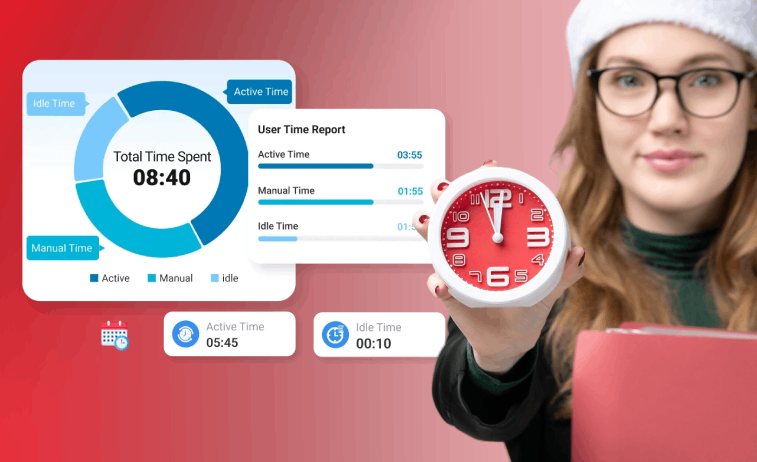
To make this process easier, StaffViz provides intuitive time tracking, productivity insights, and workload analytics on a single platform. With StaffViz, you can spot early warning signs of burnout, balance workloads effectively, and ensure your team and you stay healthy and motivated.
Start tracking smarter today with StaffViz and create a workplace where productivity and well-being go hand in hand.
Frequently Asked Questions
How does StaffViz help identify burnouts?
StaffViz provides workload analytics that highlight high-risk patterns, such as consistent 55+ hour weeks or missed breaks, giving you a visual health check of your team's energy levels.
Can StaffViz improve my work-life balance?
Yes. By using its productivity insights, you can identify low-value tasks and hidden efforts, allowing you to streamline your schedule and protect your personal time.
What is the Red Zone for work hours?
Scientific research shows that working over 55 hours per week significantly increases risks for heart disease. If your tracking logs consistently hit this number, you are in the burnout danger zone.
How do Ultradian Rhythms affect my data?
The brain tires every 90 to 120 minutes. If your data shows long blocks without breaks, you are fighting your biology, which leads to higher error rates and mental exhaustion.
What is the Slow-In method for recovery?
It is a gradual return-to-work protocol: Start at 50% capacity during your first week back and increase by only 10% weekly to prevent a relapse.
Key Burnout Statistics 2024-2025
|
Statistic |
Value |
Source |
|
Global employees reporting burnout |
48% |
|
|
Employees experiencing burnout sometimes |
76% |
|
|
Burned-out employees actively job hunting |
52% |
|
|
Economic cost of disengagement globally |
$438 billion |
|
|
U.S. workers with negative mental health symptoms |
76% |
|
|
UK employees feeling close to burnout |
79% |
|
|
Japan overwork-related cases (FY2024) |
1,304 |
|
|
Increased heart disease risk at 55+ hours/week |
Significant |
Effectively Manage Remote and Hybrid Teams with StaffViz
Enhance team efficiency and collaboration with StaffViz, the ultimate tool for managing remote and hybrid teams.
Talk To Us