Build a High-Performing Company Culture with Employee Benefits

Each business has the goal of ensuring maximum workplace performance, in which employee benefits play a key role. It is important to create a workplace environment that makes the employees feel valued.
Investing in your employees is one of the most effective means of creating a positive culture for your company. Employee benefits can show your employees that you care about them as well as result in higher productivity levels and positive workplace morale. In this blog, you’ll explore types of employee benefits and how they can influence culture and performance.
Common Benefits Structures for Modern Companies
The importance of understanding the effects of employee benefits on talent attraction, retention, and motivation cannot be overestimated in contemporary businesses. Although competitive salaries are considered essential, an effective employee benefits package is imperative in developing a favorable business environment and enhancing employee morale.
Let’s explore some commonly used benefit structures by modern enterprises.
- Health Insurance: Such insurance helps employees meet numerous medical expenses by contributing to premiums every year. Sometimes, such insurance may also provide peace of mind to the organizational employee in case of a special medical requirement.
- Retirement Savings Plans: These are retirement savings plans like 401(k) plans. Such plans permit workers to set aside pre-tax earnings toward retirement. Employers will match or contribute a percentage to motivate workers to save for their retirement.
- Dental and Vision Insurance: Moreover, dental and vision insurance may also be provided along with health insurance to patients. It helps reduce out-of-pocket spending for dental and vision care.
- Paid Time Off (PTO): In addition to the other benefit packages, many companies attempt to ensure that employees achieve a better work-life balance and do not experience burnout by providing sufficient paid time off.
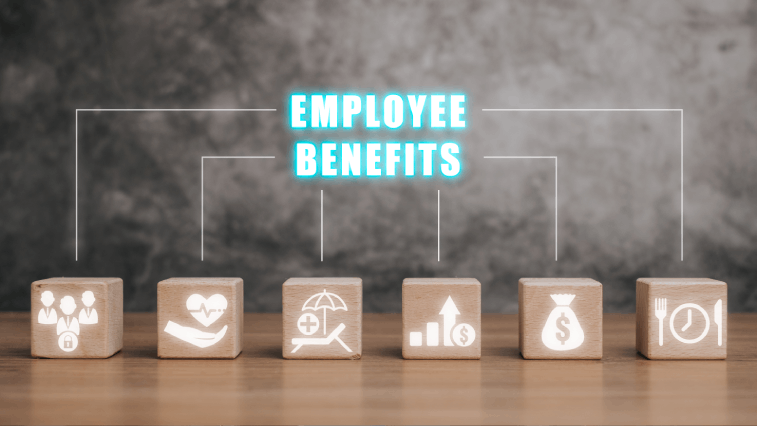
Understanding the Correlation between Employee Benefits & Company Culture
All employees value receiving benefits from the companies they work for as their employers. Though benefits packages for employees have more value for those in employment, they are worth more than you think.
Realizing Corporate Values
While some employers or organizations would see employee benefits as a component of a comprehensive remuneration package, employee benefits convey much deeper meanings to the workers as well as the potential workers within the organization or business entity. A soundly composed employee benefits structure goes a long way in determining the values of or the priorities of the organization or business entity in question.
For instance, an organization seeking to convince their workers of work-life balance as an importance of work life might consider offering unlimited PTO as an indication of confidence in their employees to handle their work time aptly while, at the same time, focusing on their work life.
Such organizations may also provide flexibility in the form of remote work options or reduced workweeks. In general, employee benefits packages are an elective component when sculpting an employee's total compensation mix. Its value in offering favorable insurance schemes or retirement benefits shows employees that an organization cares enough to invest in them.

Creating a Sense of Belonging
When employees feel that their financial, physical, and mental well-being needs are taken care of when they come to work, their level of bonding with their employer becomes much stronger.
Whether providing benefits for traditional healthcare or providing perks for flexible scheduling offered by top employee management tools, including StaffViz, or childcare support, the inclusion of these benefits makes all feel as if they have been welcomed and cared for by the business. This, in turn, fosters an environment that improves morale and overall productivity.
The Effects of Employee Benefits on Wellbeing
Being an essential factor in benefiting employees as an element for overall well-being and productivity, it has been revealed that employee benefits can make employees 1.6 times more productive and 1.5 times more likely to remain with an organization.
Reducing Financial Stress
Financial pressures will distract workers from their duties; actually, approximately 90% of workers are under daily stress to meet their financial responsibilities. Providing workers with benefits that involve financial health programs will allow them to budget today and make sound future-related plans to improve their economic decisions. Nearly 60% of workers will remain committed to an employer that offers such benefits.
Promoting Physical & Mental Wellbeing
Burnout rates 76% of the employee base, causing 63% of these workers to take “sick” days. It is necessary that healthy living practices be made a priority.
Benefits for employees help in motivating employees to live healthier lives. Providing gym memberships, fitness discounts, or employee assistance programs is a practical form of support and not just empty promises. For instance, through the ‘Wellness at Salesforce’ initiative, which includes resources for fitness and well-being experts, the employees reduced their stress levels by 34 percent.
In promoting these advantages, organizations encourage employees to live healthier lifestyles, reduce absenteeism rates, and become more productive.
Improve Work-Life Balance
A benefits package doesn’t have to be structured simply along the lines of health insurance options or dental and vision.
As per a case study released by the World Economic Forum, employees who have achieved their balance in personal and professional life have seen a 21% increase in engagement levels at work and an increase of 28% in the feeling of being satisfied with their life decisions. As per another study conducted by Reuters, employees can give importance to work-life balance and compensation at an equal level as compared to other benefits in 93% of employees.
Business packages can also be tailored to include flexible working conditions or large leave times for employees. This can serve as motivation for the employees, as it provides an opportunity for them to create a work-life balance that will allow them to come back to work refreshed and give 100% of their effort.
Create a Sense of Purpose and Belonging
Apart from the financial benefits that come with them, benefit packages can also bring a sense of meaning and attachment to the employee towards the company. If employees feel appreciated, they are often more motivated to work and have higher job satisfaction. For instance, tuition reimbursement and professional development benefits demonstrate the company's interest in their development and prompt them to enhance their skills for both personal and corporate benefit.
Companies also enable their workers to have a greater sense of purpose through the alignment of benefits with mission and values. It may involve giving paid time off for volunteer work or matching charitable donations. In connecting benefits to a greater purpose, it inspires them to connect with their work and contribute to something meaningful.
The impact of employee benefits can extend beyond just making the individual employee happy and deal with a significant blow to the overall success of the company as a whole.
The Role of Employee Benefits in Company Performance
Employee benefits are considered expenses; in fact, they represent investments in the future success of any company.
Attract and Retain High-Quality Employees
Benefits can make your business competitive in the job market, and this enhances your reputation as an organization because you are offering better benefits as opposed to your competitors. In addition, comprehensive benefits increase the lifespan of workers because retaining workers is less expensive compared to training new workers all the time.
Increase Employee Motivation & Performance
It is easier to motivate employees when they feel valued and appreciated. Providing them with benefits will make them feel valued while promoting positive and productive work environments.
Encourage Collaboration
Benefits that are comprehensive convey a message of valuing the employees for who they are, not just for their performance. It creates a sense of teamwork because people are more interested in what they collectively achieve.

Final Words
Creating a compelling benefits package for employees is a great investment in future business success. The effects of employee benefits do not end with satisfaction but largely contribute to the overall future growth of a business or company. By showing concern for employees and providing them with a conducive work environment with the help of StaffViz, a business or company can create a high-performing work environment with highly motivated and satisfied employees.
Frequently Asked Questions
Do employee benefits impact company culture?
Yes, employee benefits help promote a friendly working environment. With compelling benefits package in place, employees feel a sense of belonging within the business.
What kinds of employee benefits are most effective?
Health, dental, and vision insurance, retirement savings plans, paid time off (PTO), flexible work schedules, wellness programs, and professional development activities.
In what ways can employee benefits influence business performance?
Giving benefits motivates employees and makes them more productive. Providing benefits is an investment because it brings the best employees and makes them more collaborative and positive.
What are the effects of employee benefits on employee retention?
Employee benefits can lower the rate of turnover because they tend to meet the financial, physical, and emotional needs of each employee. By making the employee feel valued, they will be less likely to leave an organization.
Can small businesses improve team morale by providing employee benefits?
Absolutely. Even small perks, such as flexible schedules or a wellness or PTO program, can help improve employee morale and company culture. Employee benefits enable small businesses to attract and retain top talent.
Effectively Manage Remote and Hybrid Teams with StaffViz
Enhance team efficiency and collaboration with StaffViz, the ultimate tool for managing remote and hybrid teams.
Talk To Us

I’m Tracey Taylor, a Content Strategist with over 4 years of experience in B2B and SaaS marketing. I’ve worked with companies like StreamlineREI and StaffViz to drive lead generation and business growth. Outside of work, I explore nature, read books, and play games to stay physically and mentally sharp.