What is HR Management Software?

A Complete Guide to HR Tools, Features, and Benefits for Modern Businesses
Every business has people. And people need to get paid, trained, and supported. That's where HR management applications come in. These tools are part of the larger human resources management field.
This guide answers one simple question. What is HR management software? We will break it down piece by piece. You will learn how it works, why it matters, and what to look for when buying one.
By the end of this post, you will know exactly how these tools help businesses save time, cut costs, and keep employees happy.
Understanding HR Management Software
HR management software is a digital tool that handles human resources tasks. It stores employee data, runs payroll, tracks attendance, and manages benefits. Think of it as a central hub for all people related to work.
Businesses use this software to replace paper files and spreadsheets. It keeps everything in one place. No more lost forms or missed deadlines.
The human resource management software definition is simple. It is technology that helps companies manage their workforce from hiring to retirement. That full journey is called the employee life cycle.
These systems go by many names. Some call it hr software. Others say HRMS software or HRIS software. You may also hear employee management software or workforce management software. They all point to the same idea. Managing people with technology.
According to a recent report from Market Research Future related to the HR software market, it hit $9.009 billion in 2025. It is expected to reach $26.09 billion by 2035 at an 11.22% annual growth rate. That growth tells us one thing. More businesses are investing in people's tech every single year.
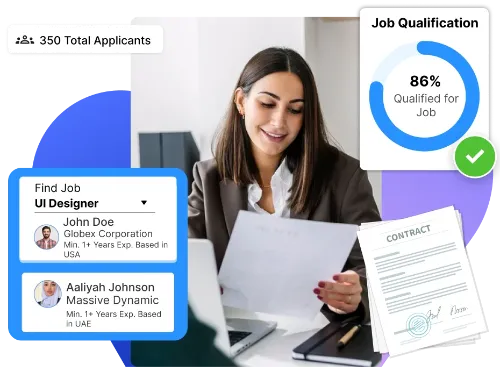
What is HR Management Software and How It Works?
Most HR software runs in the cloud. You log in through a web browser or mobile app. Managers see dashboards. Employees access self-service portals. Payroll teams process pay cycles with a few clicks. Cloud-based systems make this all possible from any device.
Here is how a typical day looks with HR software. An employee requests time off through the app. Their manager gets a notification and approves it. The system updates the attendance record automatically. Payroll sees the change instantly. No email. No paper. No delays.
Data flows through connected modules. Recruitment feeds into onboarding. Onboarding feeds into training. Training connects to performance tracking. All of these hr processes link together in one system. This is called workflow automation. It means repetitive tasks happen without human intervention. The software handles busy work so HR teams can focus on people.
According to Business Research Insights, 74% of organizations adopted cloud-based HR systems in 2025. Another 58% now use AI-driven recruitment tools. The shift toward smart HR automation tools is happening fast.
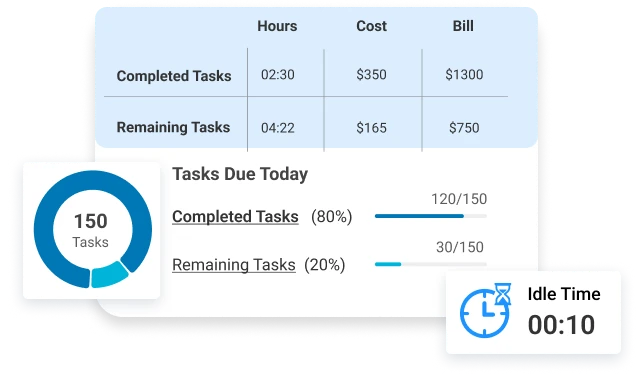
Modules of HR Software Systems
Not all HR tools are the same. Some handle one task. Others do it all. They cover many hr functions under one roof. Here are the main types you should know about.
Core HR software manages employee records, benefits, and basic reporting. It is the foundation most companies start with.
- Payroll management focuses on paying employees correctly. It calculates wages, taxes, and deductions. It also files tax forms.
- Employee onboarding helps new hires get started. It handles paperwork, training schedules, and welcome tasks. Studies show 44% of companies now use automation for employee onboarding.
- Performance management tracks goals and reviews. Managers use it to give feedback and measure progress.
- Attendance tracking monitors hours worked. It replaces punch cards and manual timesheets.
- Recruitment handles job postings, resumes, and interviews. It is often called an applicant tracking system or ATS.
Some platforms combine many of these into one. These all-in-one systems are often called human resource software or workforce management software. They cover recruitment, payroll, training, and more.
HR Software vs HRIS vs HCM
People mix these terms all the time. Let me clear it up for you.
What is the HRIS system?
HRIS stands for Human Resource Information System. It focuses on data storage and basic admin tasks. Employee records, benefits, info, and compliance tracking live here.
What is HRMS?
HRMS stands for Human Resource Management System. It adds more tools like time tracking, performance reviews, and self-service portals. It builds on what HRIS does.
What is HCM?
HCM stands for Human Capital Management. This is the most complete option. It includes everything in HRIS and HRMS plus talent strategy, learning systems, and workforce analytics. Some HCM tools connect with enterprise resource planning systems for even deeper integration.
So, what is HR software compared to these? HR software is the umbrella term. It covers HRIS, HRMS, and HCM alike. When someone says hr system software, they usually mean any of these. Small businesses often start with basic HRIS. Growing companies move to HRMS. Large enterprises usually need full HCM platforms. ADP explains that HRIS is the core of your HR tech stack. HRMS adds operational tools. HCM supports long term workforce strategy. Pick the one that matches your size and goals.

Key Features of HR Management Systems
Modern platforms handle everything from recruitment to training and development. They support the full range of hr operations a company needs.
When you shop for hr management software, look for these core features. They make the biggest difference in daily operations.
- Employee database stores all worker info in one spot. Names, addresses, job titles, and pay rates live here. Updates happen in real time.
- Payroll processing calculates wages, taxes, and deductions. It generates pay stubs and files tax reports. Accuracy is critical because mistakes cost money and trust.
- Time and attendance tracking records hours worked. It handles PTO requests, sick days, and overtime. Managers can see who is in and who is out at any moment.
Benefits administration lets workers enroll in health plans and retirement accounts. Employee benefits like health coverage and 401k plans live here. HR teams manage open season and changes without piles of forms.
- Recruitment and hiring tools to post jobs, sort resumes, and schedule interviews. They speed up the talent management process significantly.
- Performance tracking sets goals and measures results. Employees know where they stand. Managers spot top performers and those who need help.
- · Compliance management keeps you on the right side of labor laws. It tracks required training, certifications, and reporting deadlines.
- Self-service portals let employees update their own info. They can check pay stubs, request time off, and view benefits without calling HR.
- Reporting and analytics turn raw data into useful insights. Leaders see trends in turnover, attendance, and labor costs. Smart decisions follow.
Benefits of HR Software for Small Businesses
Small business owners wear many hats. HR software takes one hat off your head. Here is what you gain.
Time savings matter most. Manual HR tasks eat hours each week. Software automates the repetitive stuff. You get that time back for growth work. Fewer errors protect your bottom line. Wrong pay calculations lead to angry workers and legal risks. Automation cuts those mistakes dramatically.
Better compliance keeps you safe. Labor laws change often. HR software tracks deadlines and requirements. You avoid fines and lawsuits. Happier employees stick around longer. Self-service tools give workers control. Faster payroll means fewer complaints. Smooth onboarding sets a positive tone from day one.
Data driven decisions help you grow. Reports show where labor costs rise and which teams need support. You lead with facts instead of guesses.
Why Companies Use HR Software?
The reasons go beyond convenience. Modern businesses face real pressure. HR software solves real problems.
Remote work creates new challenges. Managers need visibility into distributed teams. Cloud-based software provides visibility from anywhere. Talent competitions are fierce. Good candidates have options. A smooth hiring process gives you an edge. Slow, manual processes push top talent away.
Regulations keep piling up. State labor laws differ. Federal rules change. Compliance management within HR tools keeps you current without constant research. Employee expectations have shifted. Workers want fast access to their info. They expect digital experiences like they get in their personal lives. HR software meets that demand.
Cost control drives decisions too. Manual HR work costs more than most realized. Software reduces admin hours and prevents expensive errors. The return on investment adds quickly.
Business Research Insights notes that North America leads the global market with a 40% share. Europe holds 25% and Asia Pacific has 25%. The trend is worldwide.

Cloud HR Software Advantages
Cloud-based software has become the standard. Here is why so many companies prefer it. Access from anywhere is the biggest perk. Managers approve time off from their phones. Employees check pay stubs at home. HR teams work from any location.
Lower upfront costs help small budgets. You pay a monthly fee instead of buying servers. No IT team needed to maintain hardware.
Automatic updates keep you current. The vendor handles security patches and new features. You always run the latest version without lifting a finger. Scalability supports growth. Add employees as you expand. Upgrade features when you need them. The software grows with your business.
Data backup protects against disasters. Cloud providers store copies in multiple locations. Your records stay safe even if your office floods. Security often exceeds what small businesses can build alone. Major cloud hr software providers invest millions in protection. Your data benefits from that level of care.
HR Software Pricing
Cost varies widely. Understanding the pricing models helps you budget right.
Most cloud platforms charge per employee per month. This is called PEPM pricing. Entry level plans run $2 to $8 per worker monthly. Mid-range options cost $8 to $30 PEPM. Premium suites can hit $30 to $100 or more.
Some vendors use tiered plans. Basic tiers cover core features. Higher tiers add analytics, advanced reporting, and integrations. Choose the tier that matches your needs.
A thorough hr software pricing comparison includes all these factors. Watch for hidden fees too. Setup costs, data migration, and training can add up. Always ask about the total first year cost before signing.
Many providers offer a hr software free trial. Test the software with your actual workflows before committing. A hands-on trial reveals problems that demos hide.
Affordable hr software exists for every budget. The key is finding the right mix of features and prices. Don't pay for tools you won't use.
How to Choose HR Software?
Picking the right tool feels overwhelming. Too many choices. Too many features. Here is a simple process to follow.
Start with your biggest pain point. Is payroll eating your time? Are you losing new hires to slow onboarding? Pick software that solves that problem first. List your must have features. Separate needs from wants. Focus on the needs. You can always add features later as you grow. Check integrations with your current tools. Accounting software, scheduling apps, and email systems should connect smoothly. Disconnected systems create more work, not less.
Read reviews from similar businesses. A tool loved by enterprises might crush a small team. Look for feedback from companies that match your size and industry.
Test the user experience. Clunky software kills adoption. If your team hates using it, the value drops to zero. Pick something intuitive.
Ask about support quality. When payroll breaks on a Friday, you need fast help. Check support hours and response times before you buy. Plan for growth. Your needs will change. Make sure the platform scales without forcing you to start over.
HR Software for Startups in USA
Startups move fast. Hiring spikes. Roles shift. Founders need flexible tools that keep up.
Look for hr software for startups that offer quick setup. You don't have months to implement. You need to run it this week. Investor reporting matters too. Good analytics show headcount growth and labor costs. That data feeds into board presentations and funding rounds.
Startups often lack dedicated HR staff early on. Software fills that gap. It guides founders through compliance, hiring basics, and payroll setup. Many HR SaaS platforms cater specifically to new companies. They offer starter plans with core features at friendly prices. Upgrade as your team expands.
Top hr software tools for startups include names like BambooHR, Gusto, and Rippling. These are also great picks for hr software for small business USA needs. Each brings different strengths. Compare them against your specific needs.
Best HR Management Software and Top HR Software Tools
The market is packed with options. Here are some leading names to consider in your search.
Workday leads the enterprise space. It offers deep analytics and global workforce support. Large corporations trust it for complex operations.
- SAP SuccessFactors provides strong talent management features. It connects learning, performance, and recruiting in one platform.
- ADP has been a payroll giant for decades. Their HR tools build on that foundation. They serve businesses of all sizes.
- BambooHR focuses on small and mid-sized companies. It is known for clean design and easy setup. Customer reviews are consistently positive.
- Gusto specializes in payroll and benefits for US small businesses. Simple pricing and friendly support make it popular among startups.
- Rippling combines HR with IT management. You can onboard employees and set up their computers in the same workflow.
When you buy HR software online, always request a demo. The sales pages look shiny. Real usage tells the truth.
HR Software Examples and HR Software Companies
Beyond the big names, many specialized hr software companies serve niche needs.
- Deel and Oyster focus on global hiring. They handle payroll and compliance across multiple countries. They work as standalone tools or as part of a larger business management software stack. Perfect for remote first teams.
- Paychex Flex serves small businesses heavily focused on shift work and time tracking. It blends scheduling with payroll smoothly.
- OnPay offers straightforward US payroll value. It is a solid pick for companies that want simple, reliable pay processing.
- Zoho People works well for teams already using Zoho business apps. It connects CRM, accounting, and HR data in one ecosystem.
These hr software examples show how diverse the market is. Whether you need basic payroll or full human capital management, a tool exists for you.
Final Words
HR management software is no longer a luxury. It is a necessity for businesses that want to grow without drowning in admin work.
From payroll to performance tracking, these tools handle heavy lifting. They free your team to focus on strategy and people.
The market offers options for every size and budget. Start with your biggest pain point. Choose cloud-based software for flexibility. Test before you buy it. Scale as you grow.
Mordor Intelligence projects that the HR management software market will grow at 11.31% annually through 2031. Companies worldwide are investing in better people's tech. You should too.
Ready to Take Control of Your Workforce? Try StaffViz to manage time tracking, team productivity, and HR operations on a smart platform. Start your free 14-day trial today and see the difference.
Frequently Asked Questions
What is the difference between HRIS and HRMS?
HRIS stores employee data and handles basic admin. HRMS adds tools like time tracking, performance reviews, and self-service portals. HRMS does everything HRIS does plus more.
How much does HR software cost for a small business?
Small business plans typically range from $2 to $30 per employee per month. Entry level options cover basic needs. Premium plans add advanced features and integrations.
Is cloud HR software secure?
Yes. Major cloud providers invest heavily in security. They use encryption, backups, and access controls. For most small businesses, cloud security exceeds what they could build alone.
Can HR software handle payroll taxes?
Most payroll management software calculates taxes automatically. It files forms and updates tax tables. Always confirm your chosen tool supports your state and local tax requirements.
What size does a company need HR software?
Any company with employees can benefit. Even teams of five save time on payroll and record keeping. As you grow, the value increases dramatically.
What features should I prioritize?
Start with your biggest pain point. If payroll consumes your time, prioritize that. If hiring is the struggle, focus on recruitment tools. Add features as needed to grow.
What is the best HR software for startups?
Startups need flexible, affordable tools with room to grow. Look for hr software for startups with simple setup, core payroll, and scalable pricing. Popular choices include Gusto, BambooHR, and Rippling.
Effectively Manage Remote and Hybrid Teams with StaffViz
Enhance team efficiency and collaboration with StaffViz, the ultimate tool for managing remote and hybrid teams.
Talk To Us

Table of Content
- Understanding HR Management Software
- What is HR Management Software and How It Works?
- Modules of HR Software Systems
- HR Software vs HRIS vs HCM
- Key Features of HR Management Systems
- Benefits of HR Software for Small Businesses
- Why Companies Use HR Software?
- Cloud HR Software Advantages
- HR Software Pricing
- How to Choose HR Software?
- HR Software for Startups in USA
- Best HR Management Software and Top HR Software Tools
- HR Software Examples and HR Software Companies
- Final Words
- Frequently Asked Questions